Wednesday, August 16, 2017

Sellers: Your Home is an Oasis in an Inventory Desert | Simplifying The Market

Sellers: Your Home is an Oasis in an Inventory Desert


According to the National Association of Realtors (NAR), the inventory of homes for sale dropped 7.1% year-over-year to a 4.3-month supply and is down for the 25th consecutive month.
Some homeowners may be hesitant to list their homes for sale because they are worried that they will also have a problem finding a home to buy and move in to. This is a legitimate concern; no one wants to sell their home quickly and not have anywhere to live.
But there is good news! If you are thinking of moving up to a luxury or premium home, there is more inventory available in these markets and you may even get a great deal on a home that has been on the market for a while.
If you are the owner of a starter home and you are looking to move into a trade-up home, or if you are just looking to relocate to a new area in a home of the same size, there is still hope!
In many markets, homeowners are building contingency plans into their contracts. This means that the homeowner builds in extra time before they close in order to find their dream home and they are upfront about the contingency with any buyers who come to see the house.
Your home is an oasis to buyers who are searching for homes in today’s market. The right buyers will sympathize and wait for you and your family to find your next home.

Bottom Line

Don’t let the fear of not finding a home to move in to stop you from moving on with your life. Let’s get together to discuss ways to set expectations with potential buyers from the start. Have you wanted to sell your home and buy another but afraid that you won't be successful? I have PROVEN methods that can make it happen. Many of my clients are now enjoying their new home in Keller, Watauga, Saginaw, Fort Worth, Haslet and Roanoke. They sold their existing home in a matter of days (and sometimes HOURS) of putting it on the market and used the profit from the sale to buy their new home. Contact me and lets talk about how to make that happen for you!   Contact me at Mike4Houses.Com

Tuesday, August 15, 2017

Homes Are Selling Quickly Nationwide. Are You Ready to Act When The Right Home Comes Along?


Homes Are Selling Quickly Nationwide


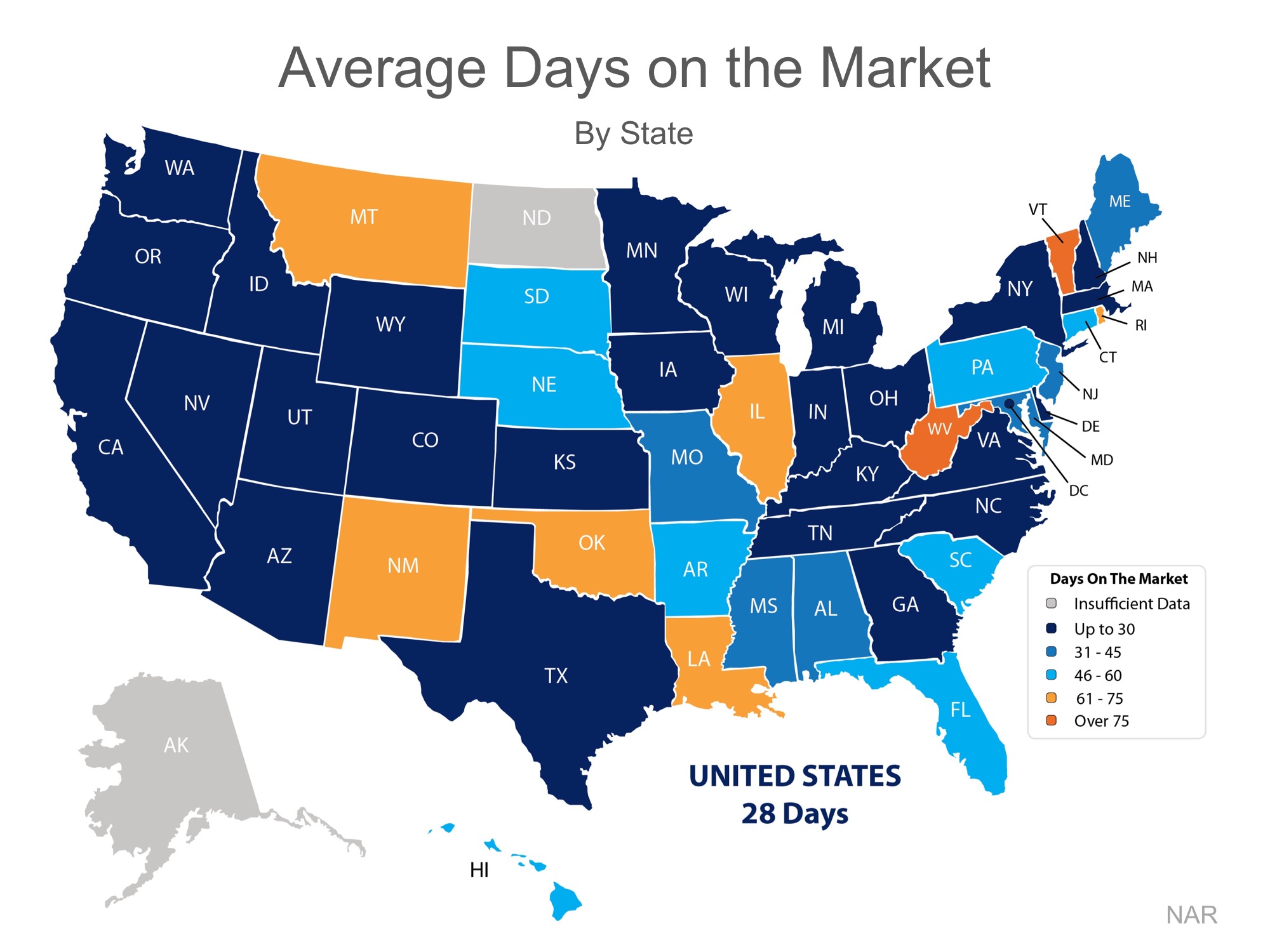
54% of homes across the country were on the market for less than a month in June!

Among the 27 states with homes selling in 30 days or less are Washington, Utah, California, and Colorado. The map below was created using results from NAR’s Monthly Realtors Confidence Index Survey.
Homes Are Selling Quickly Nationwide | Simplifying The Market

Bottom Line

Buyer demand is increasing as the inventory of homes available for sale remains low. If you are thinking about listing your home for sale this year, let’s meet up so I can help you take advantage of current market conditions!  Keller, Saginaw, Watauga, North Richland Hills, Roanoke, and Fort Worth rank at the top for homes selling quickly.   If you are shopping for a home do these things:  1.Get pre-approved with a lender so your offer is more likely to be accepted and you know your price range. 2.  Contact me to have a free custom home search site set up that keeps you informed so when the perfect home comes on the market, you don't miss it.

Friday, August 11, 2017

Where Have All The Homes Gone?

"What happened to all the homes? I hear this question a great deal from buyers shopping for a home. This article from REALTOR® Magazine gives some insight. The fear of finding a new home to fit changing lifestyles before selling is a factor here in Fort Worth, Keller, Watauga, North Richland Hills, Roanoke and Saginaw. My advice if you're thinking of selling your home and buying another is 1. Have your home READY to list. Do your market research for a realistic price, consult an agent and have the home ready to sell. If your home is in good condition now, have the listing photos taken and have your agent prepared to activate the listing on a moment's notice. 2. Investigate "bridge loan" opportunities that would allow you to buy a home and THEN market yours. It will remove the need for a "contingent on sale: clauses that can make your offer to buy the house less attractive and give you flexibility to have your existing home in ideal condition by by moving out then completing minor upgrades like painting rooms or doing minor upgrades to get the best price. 2. Find your new home and get it under contract. (If you did step 2 and have your bridge financing in place, GREAT! Now you can close and move even before the next step.) 3. Put your home on the market at a fair market price and have a plan from your agent for marketing the first days it's on the market. In short inventory situations, you have your BEST opportunity in the first days it' on the market. Your objective is to get the maximum exposure for the house and let buyers compete for the home.
Contact me and I will do a free Comparative Market Analysis so you know what similar homes have sold for in your neighborhood and advise you on the best way to maximize your sale return and the most efficient way to find your new home.
2 Major Reasons Why Inventory Is So Low
Inventory of available homes on the market is the lowest it’s been in two decades, but the reasons may surprise you. Two of the likely culprits are baby boomers and homeowners who are simply satisfied with their home, according to realtor.com®’s Housing Shortage Study
Baby boomers are showing a desire to age in place in their current homes, and their refusal to sell is creating a clog in the market, according to the study. Eighty-five percent of baby boomers surveyed say they are not planning to sell their home in the next year. That means 33 million properties—many of which are urban condos or suburban single-family homes—will stay off the market. Many of those properties would be popular choices for millennials, a generation still largely waiting in the wings to break into homeownership. 
“Boomers, indeed, hold the key to those homes the market desperately needs, both in the urban condo and the detached suburban home segment,” says realtor.com® chief economist Danielle Hale. “But with a strong economy and rising home prices, there’s really no reason for established homeowners to sell in the short term. Although downsizing might be on the minds of boomers, they face the same inventory shortages and price increases plaguing millennials.”
Furthermore, 63 percent of respondents to the survey indicate that their current home meets the needs of their family. They cite low interest rates (16 percent), recently purchasing their home (15 percent), and needing to make home improvements and low property taxes (each at 13 percent) as reasons not to sell. “Life events drive real estate transactions,” Hale says. “When the majority of homeowners feel their family’s needs are being met by their current home, there is nothing compelling to them to put their home on the market.”
There may be hope that more starter homes will hit the market soon. Possibly offsetting the low supply of starter homes, which is down 17 percent year over year, 60 percent of respondents to realtor.com®’s survey who did say they plan to sell in the next year are millennials who want to move to a larger home or one with nicer features.
“The housing shortage forced many first-time home buyers to consider smaller homes and condos as a way to literally get their foot in the door,” says Hale. “Our survey data reveals that we may see more of these homes hitting the market in the next year, but whether these owners actually list will depend on whether they can find another home.”
Source: realtor.com®

Thursday, August 10, 2017

Hey, Millennial Homeowners!! It May Be Time to Sell

Hey, Millennial Homeowners!! It May Be Time to Sell | MyKCM
Contrary to what many believe, Millennials are not the ‘renter’ generation. Millennials purchased a larger percentage (34%) of homes in the U.S. than any other age group in 2017 and the most recent Census Bureau report shows that the homeownership rate among Millennials is finally on the rise.
Many Millennials took advantage of post housing crash prices and the First-Time Homebuyers’ Tax Creditand jumped into homeownership in 2010. If you are one of these buyers, now may be the time to sell for many reasons. Here are a few:

1. Equity Build-Up

Home prices have been on the rise since the beginning of 2012 and your house may have appreciated by more than you think. ATTOM Data Solutions, in their Q2 2017 U.S. Home Sales Report revealed that:
“…homeowners who sold in the second quarter realized an average price gain of $51,000 since purchase — the highest average price gain for home sellers since Q2 2007, when it was $57,000.
The average home seller price gain of $51,000 in Q2 2017 represented an average return of 26 percent on the previous purchase price of the home, the highest average home seller return since Q3 2007, when it was 27 percent.”

2. Projected Home Price Increases

If you just got married or just found out you are about to become a parent, you may have plans to move up a bigger home or perhaps move to a different area. Waiting to buy a more expensive home in this market probably doesn’t make sense. The experts contacted for the Home Price Expectation Survey are projecting home prices to increase by nearly 5% over the next year. Yes, your house’s price will increase but not as much as a home currently valued higher than yours.

3. Projected Interest Rate Increases

The Mortgage Bankers’ AssociationFreddie Mac, Fannie Mae and the National Association of Realtors are each projecting mortgage rates to increase over the next year.

Higher PRICES + Higher INTEREST RATES = LARGER MORTGAGE PAYMENTS.

Bottom Line

If you are lucky enough to be one of those Millennials who purchased a house in 2010 (or even later), now might be the perfect time to move up to the home of your dreams!

Do you know what your home would bring in the current market?   Keller, Saginaw, North Richland Hills, Watauga, Hurst, Roanoke and Fort Worth have all seen great increases in market price.   I'll be glad to run an analysis for you at no charge so you know you home's selling price range in the current market.   You may be amazed!


Wednesday, August 9, 2017

Housing Inventory Hits 30-Year Low

Housing Inventory Hits 30-Year Low


Spring is traditionally the busiest season for real estate. Buyers, experiencing cabin fever all winter, emerge like flowers through the snow in search of their dream home. Homeowners, in preparation for the increased demand, are enticed to list their house for sale and move on to the home that will better fit their needs.
New data from CoreLogic shows that even though buyers came out in force, as predicted, homeowners did not make the jump to list their home in the second quarter of this year. Frank Nothaft, Chief Economist for CoreLogic had this to say,
“The growth in sales is slowing down, and this is not due to lack of affordability, but rather a lack of inventory. As of Q2 2017, the unsold inventory as a share of all households is 1.9 percent, which is the lowest Q2 reading in over 30 years.”
CoreLogic’s President & CEO, Frank Martell added,
“Home prices are marching ever higher, up almost 50 percent since the trough in March 2011.
While low mortgage rates are keeping the market affordable from a monthly payment perspective, affordability will likely become a much bigger challenge in the years ahead until the industry resolves the housing supply challenge.”
Overall inventory across the United States is down for the 25th consecutive month according to the latest report from the National Association of Realtors and now stands at a 4.3-month supply.

Real estate is local.

Market conditions in the starter and trade-up home markets are in line with the median US figures, but conditions in the luxury and premium markets are following an opposite path. Premium homes are staying on the market longer with ample inventory to suggest a buyer’s market.

Bottom Line

Buyers are out in force, and there has never been a better time to move-up to a premium or luxury home. If you are considering selling your starter or trade-up home and moving up this year, let’s get together to discuss the exact conditions in our area. The shortage of homes on the market, particularly at price points below $175,000 in Fort Worth, Watauga, Keller, Roanoke, Saginaw and North Richland Hills has caused those homes to rise FASTER than prices of homes above $200,000.   This a a TREMENDOUS opportunity if you have been thinking of moving up to a newer home or a community with more amenities.  But it is important to make the move BEFORE interest rate rises tighten the affordability of homes, particularly for first time buyers.   Contact me now for an analysis of your current home's market price and an estimate of how selling your home and buying a newer home can work for you!

Tuesday, August 8, 2017

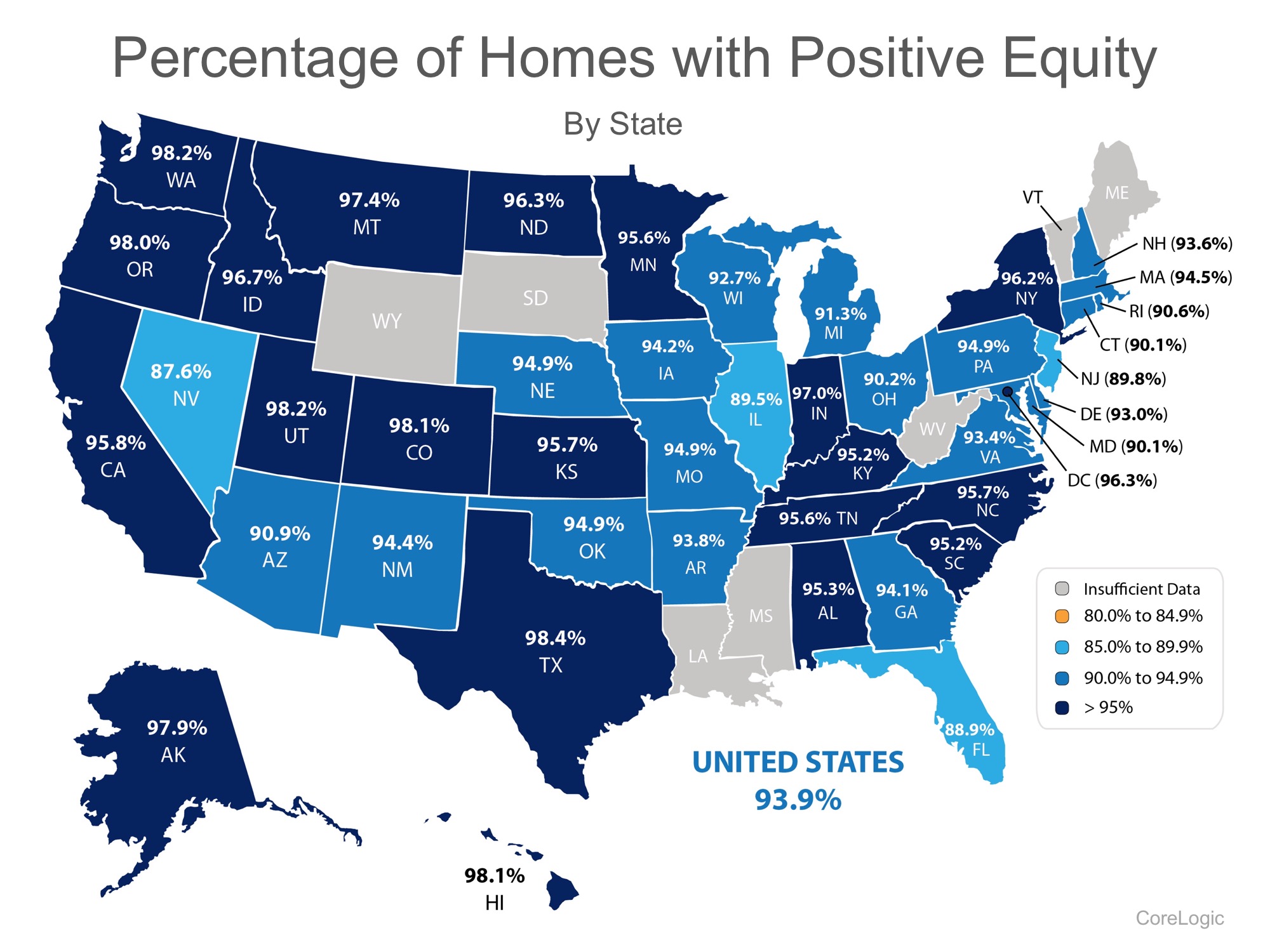
98.4% Of Homes in Texas Have Positive Equity

The home mortgage crisis of ten years ago left many homeowners with a white-knuckle feeling as they saw home values dip below market prices. But, we have to think of the current price levels as MORE than just a recovery. We're back to an era of appreciation. In fact most homeowners now have solidly positive equity! Keller, Watauga, North Richland Hills, Roanoke, Haslett, Fort Worth and most of Tarrant County have seen robust appreciation, expanding the net worth of homeowners!  In fact, Texas leads the nation in the percentage of homes with positive equity!

CoreLogic’s latest Equity Report revealed that ninety-one thousand residential properties regained equity in Q1 2017. The outlook for 2017 remains positive as well, as an additional 600 thousand properties will regain equity if home prices rise another 5% this year. 

The study also revealed that:

  • Roughly 63% of all homeowners have seen their equity increase since Q1 2016
  • The average homeowner gained about $14,000 in equity between Q1 2016 and Q1 2017
  • Only 1.6% of residential properties are near-negative equity
Below is a map showing the percentage of homes with a mortgage, in each state, that have positive equity. (The states in gray have insufficient data to report.)
93.9% Of Homes in The US Have Positive Equity | Simplifying The Market

Significant Equity Is On The Rise

Frank Martell, President & CEO of CoreLogic, believes this is great news for the “long-term health of the U.S. economy.” He went on to say:
“Homeowner equity increased by $766 billion over the last year, the largest increase since Q2 2014. The rising cushion of home equity is one of the main drivers of improved mortgage performance. Since home equity is the largest source of homeowner wealth, the increase in home equity also supports consumer balance sheets, spending and the broader economy.”
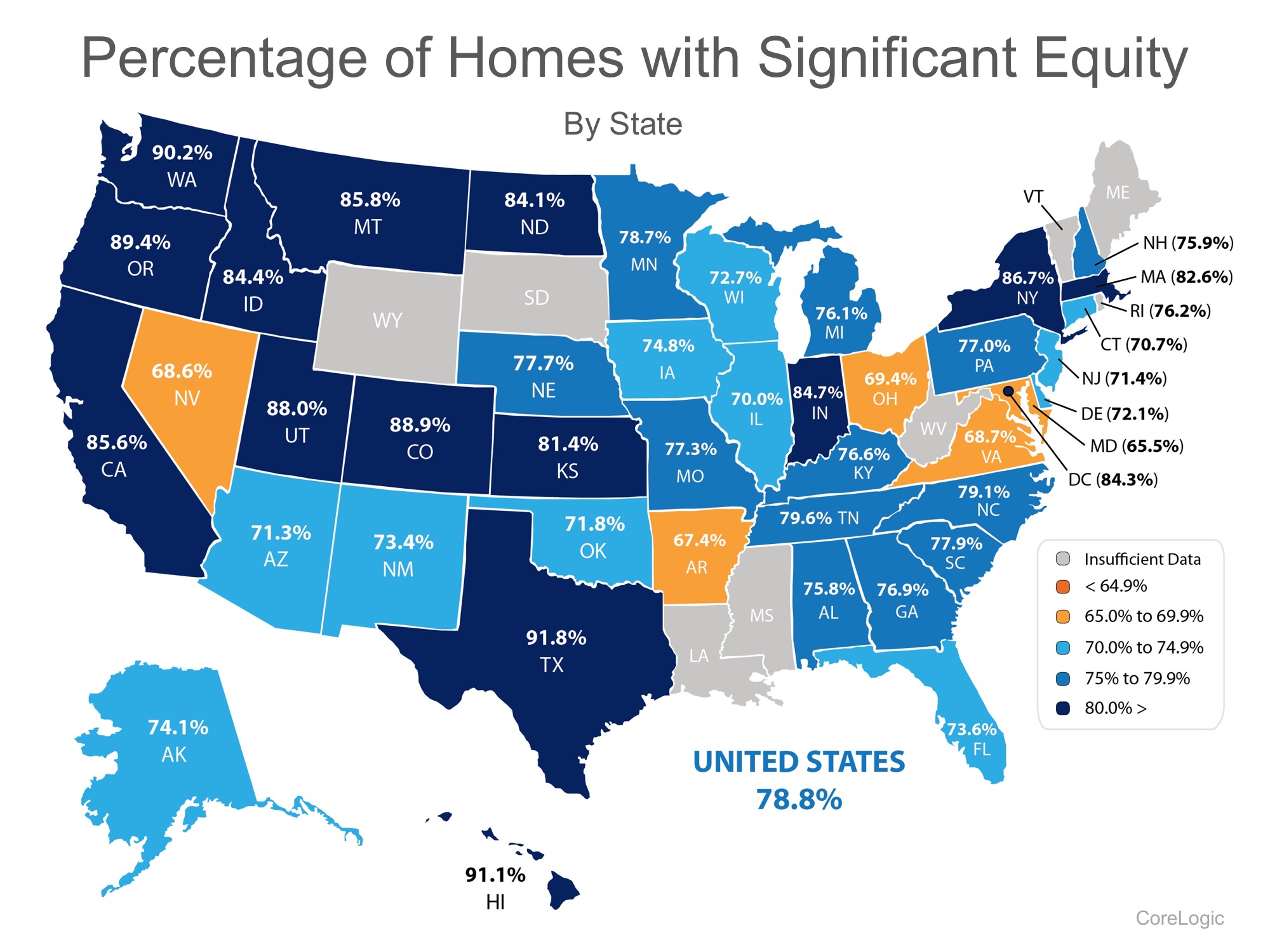
Of the 93.9% of homeowners with positive equity in the US, 78.8% have significant equity (defined as more than 20%). This means that nearly three out of four homeowners with a mortgage could use the equity in their current home to purchase a new home, now.
The map below shows the percentage of homes with a mortgage, in each state, that have significant equity. (The states in gray have insufficient data to report.)
93.9% Of Homes in The US Have Positive Equity | Simplifying The Market

Bottom Line 

If you are one of the many homeowners who are unsure of how much equity they have in their homes and are curious about their ability to move, let’s meet up to evaluate your situation.

Monday, August 7, 2017

How Long Do Most Families Stay in Their Home?


How Long Do Most Families Stay in Their Home?


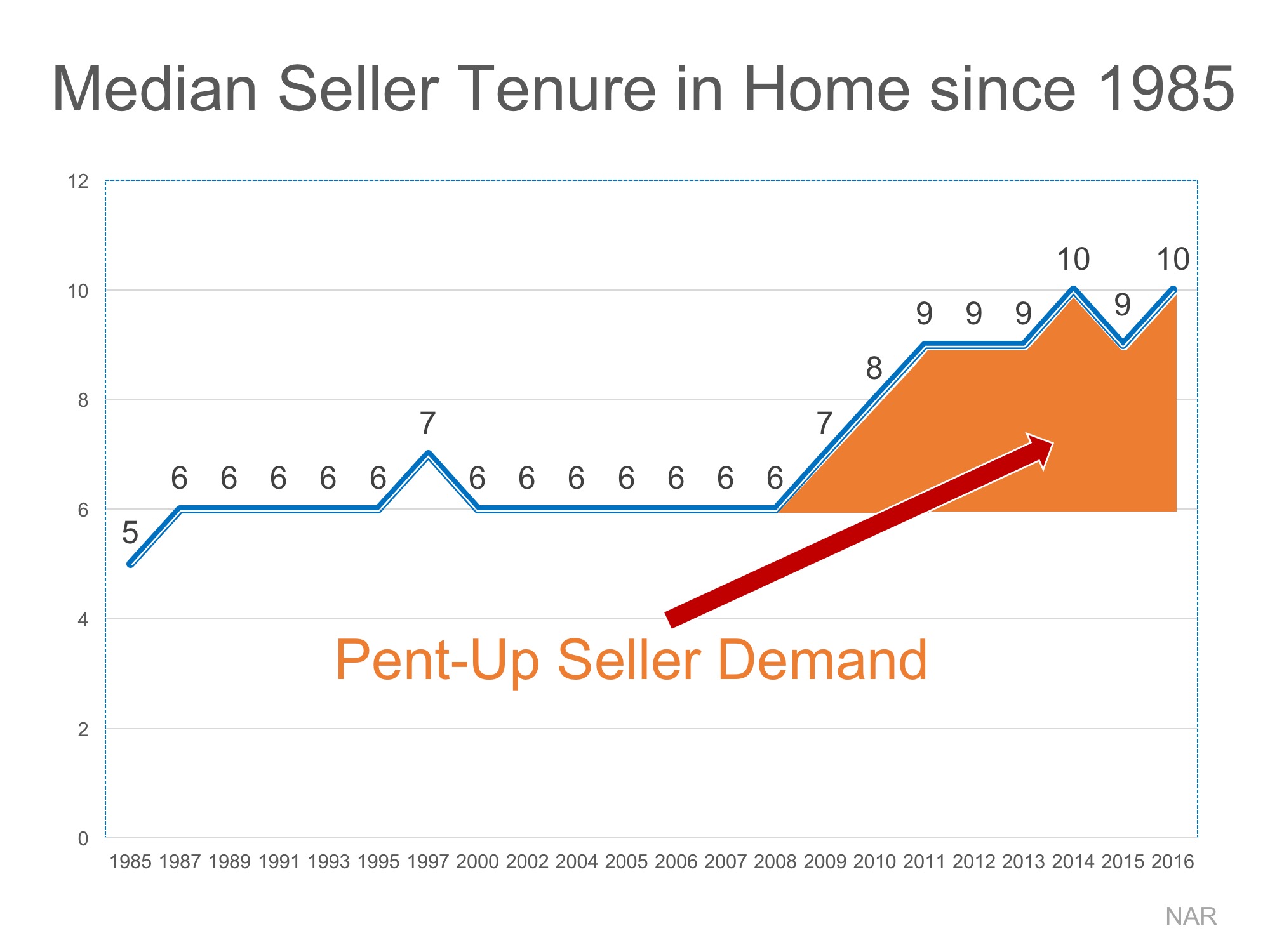
The National Association of Realtors (NAR) keeps historical data on many aspects of homeownership. One of the data points that has changed dramatically is the median tenure of a family in a home, meaning how long a family stays in a home prior to moving. As the graph below shows, for over twenty years (1985-2008), the median tenure averaged exactly six years. However, since 2008, that average is almost nine years – an increase of almost 50%.
How Long Do Most Families Stay in Their Home? | Simplifying The Market

Why the dramatic increase?

The reasons for this change are plentiful!
The fall in home prices during the housing crisis left many homeowners in a negative equity situation (where their home was worth less than the mortgage on the property). Also, the uncertainty of the economy made some homeowners much more fiscally conservative about making a move.
With home prices rising dramatically over the last several years, 93.9% of homes with a mortgage are now in a positive equity situation with 78.8% of them having at least 20% equity, accordingto CoreLogic.
With the economy coming back and wages starting to increase, many homeowners are in a much better financial situation than they were just a few short years ago.
One other reason for the increase was brought to light by NAR in their 2017 Home Buyer and Seller Generational Trends Report. According to the report,
Sellers 36 years and younger stayed in their home for six years…”
These homeowners who are either looking for more space to accommodate their growing families or for better school districts are more likely to move more often (compared to 10 years for typical sellers in 2016). The homeownership rate among young families, however, has still not caught up to previous generations, resulting in the jump we have seen in median tenure!

What does this mean for housing?

Many believe that a large portion of homeowners are not in a house that is best for their current family circumstance; They could be baby boomers living in an empty, four-bedroom colonial, or a millennial couple living in a one-bedroom condo planning to start a family.
These homeowners are ready to make a move, and since a lack of housing inventory is still a major challenge in the current housing market, this could be great news.

What does this mean for you?

With the average tenure of people staying in their homes going up, this is important for BOTH buyers and sellers. Buyers will find fewer homes on the market, driving up price' but the longer average, if it holds, means your long-term dollar appreciation on your home should increase. Sellers benefit from the higher price for their home NOW, but this could be short term if prices hit affordability issues for buyers. If you have a home in Tarrant Count, particularly Keller, Fort Worth, Saginaw, Watauga, North Richland Hills, Hurst, or Roanoke, it's time to get a comparative market analysis to help you decide whether this is the time to sell. Contact me for your free analysis.